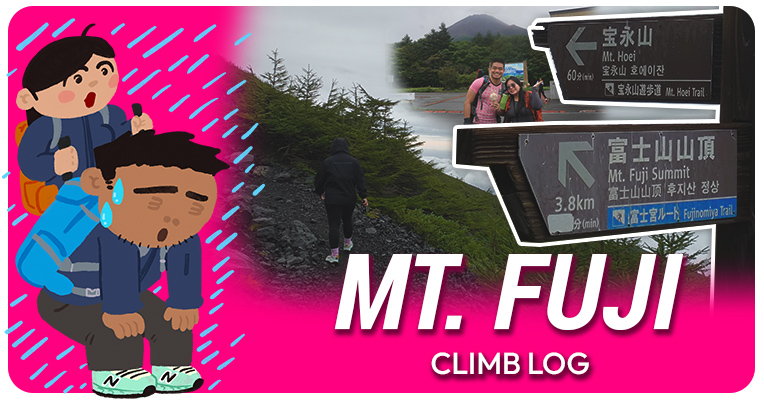
This hike is special to me because it’s something that’s been 2 years in the making. A lot of things happened, and even leading into this, life kept happening. This is a lot of yapping, but here’s my Mt. Fuji Story.
I was supposed to do this climb last year but I shattered my foot a few months before. Thankfully, the organizer was kind enough to move my slot this year. Having already booked my flight back then, I made the most out of that trip, which can be read here.
Once my foot healed and I was back to running and working out, I immediately hashed out the next possible dates for the hike which led us to this year…
I wasn’t feeling a hundred percent because a month before, my toothache issue happened. Not content with a rotten tooth, I got a stubborn throat infection a few days before going to Japan which led to me coughing like a dying car most of the time. I was able to skillfully hold my cough during immigration checkpoints so I was able to step into Tokyo.
Not gonna lie, it felt like the universe was against me going on this climb, which made me want to experience it even more. Mt. Fuji is a dream of mine. It’s the ultimate convergence of my identities as a weaboo and as a trail runner/hiker.
The night before the hike, I was taking all the viable medicine I could while praying to whichever gods were listening.
But, it turned out that while I was worrying too much about myself, the actual tragedy was the terrible weather on the day of our hike.
We were checked into a hotel in Gotemba city, a mecca for all Mt. Fuji hikers. Alighting from the station, almost half of the people we saw were tourists lugging around huge bags packed with hiking gear.
At the hotel, we finally met our Organizer, sir Ace. Before bed time, we had a quick meet and greet for all the joiners at the lobby. We were a group of 10 plus sir Ace, who will also serve as our guide.
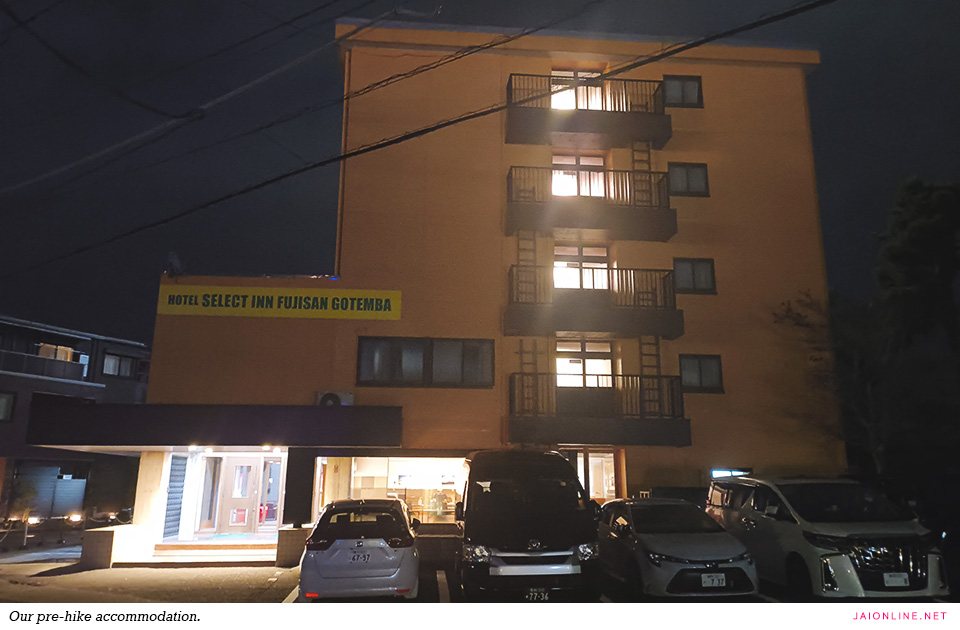
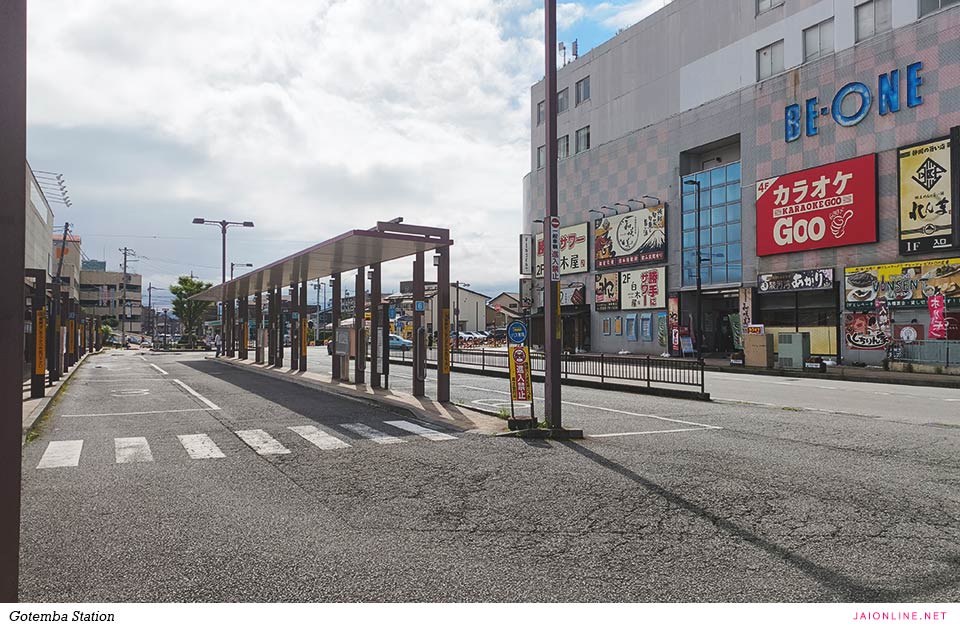
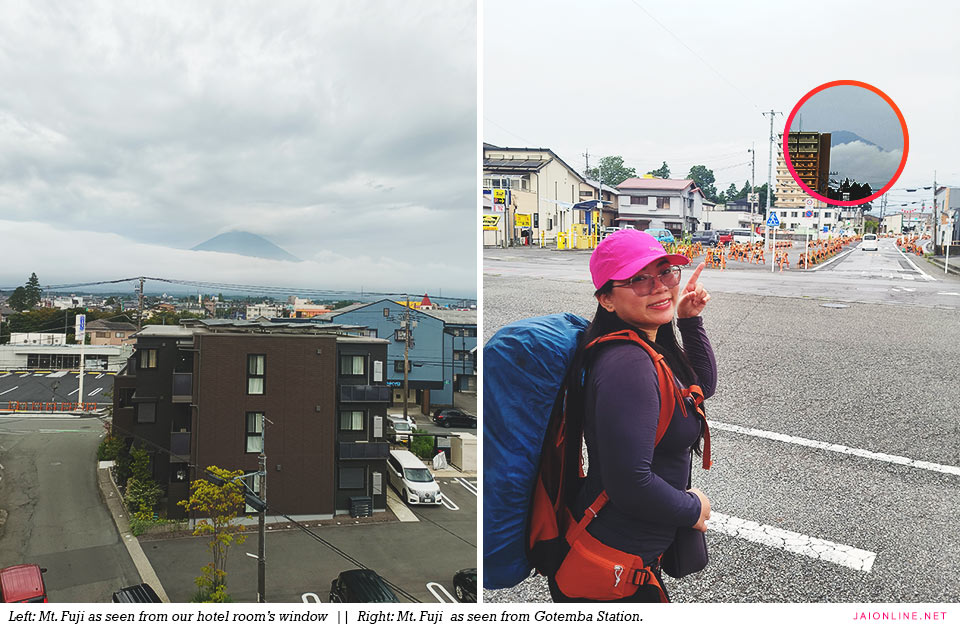
After a night of decent sleep, we had early breakfast at the hotel then left behind the things we wouldn’t need for the hike. The hotel is used to hikers and offered to hold our belongings until the next day (after our climb).
We headed to the station and waited for our bus. Fujinomiya Trail 5th station is two rides away: a 1 hour ride to Mizugatsuka Park and then a 30-minute ride from there to the 5th station (this bus also goes to Gotemba Trail 5th station).
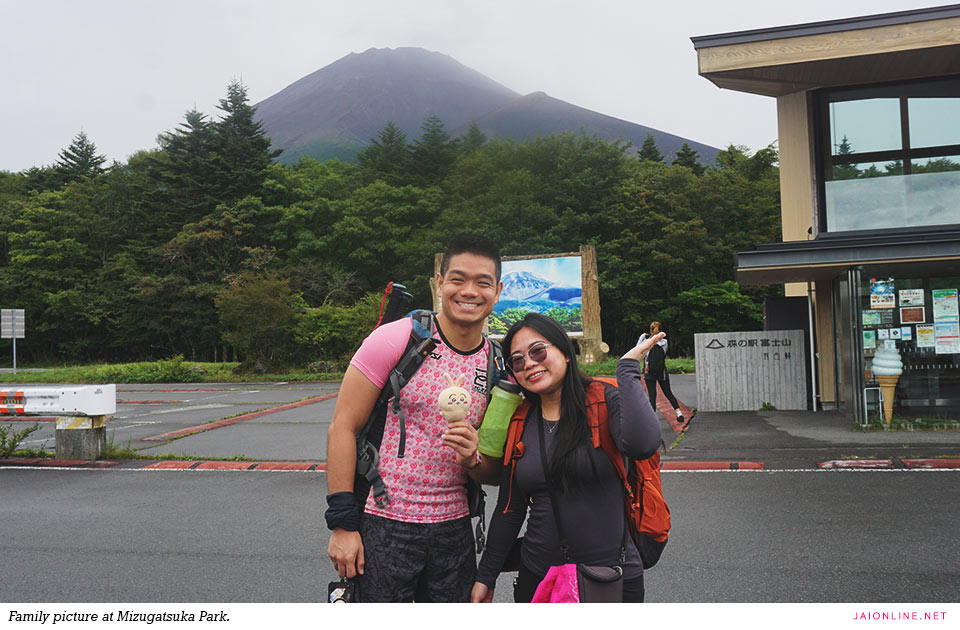
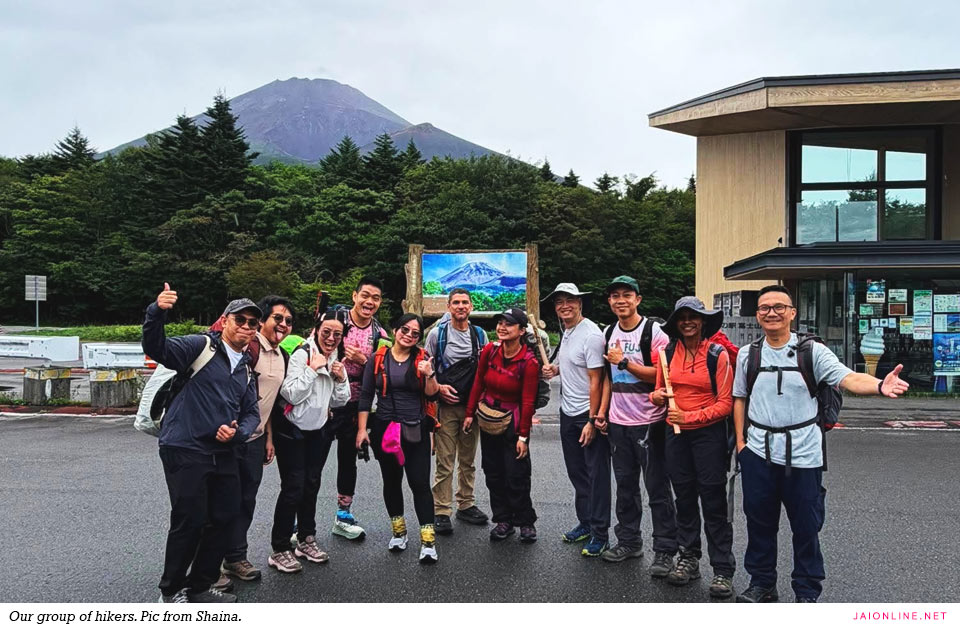
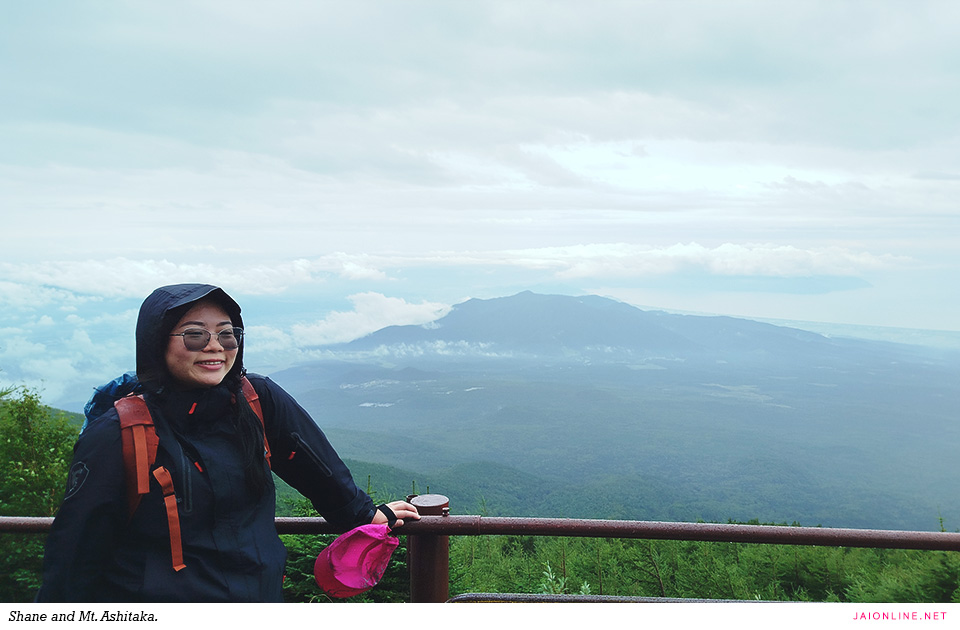
The winding road up the mountain were flanked on both sides by dense forest. The trees were tall and covered in moss. I was delighted to see wild deer along the roadside on both bus rides. The mossy forest reminded me of Kamusari. It was enchanting and I give my props to the people maintaining them.
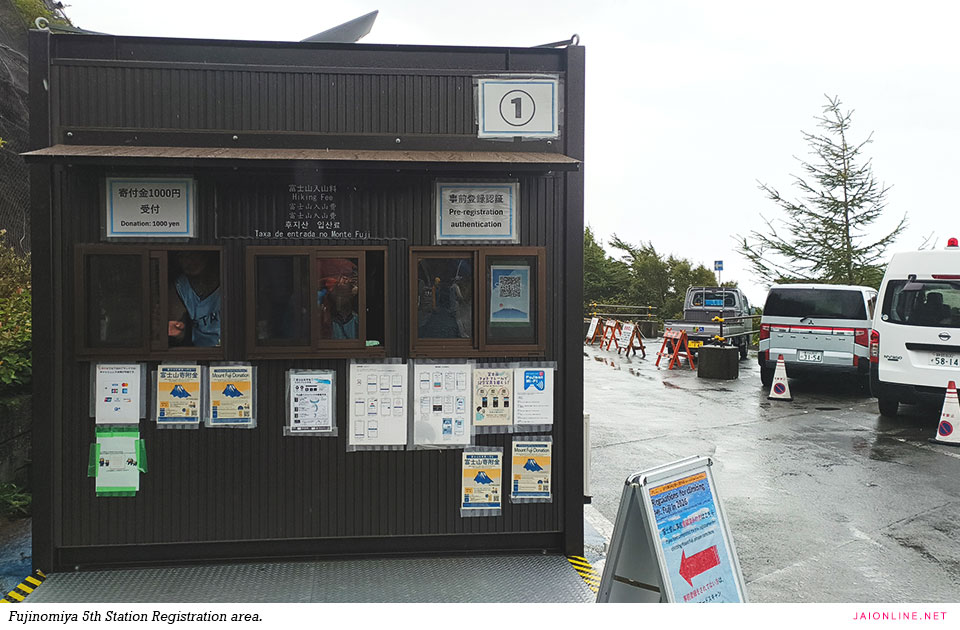
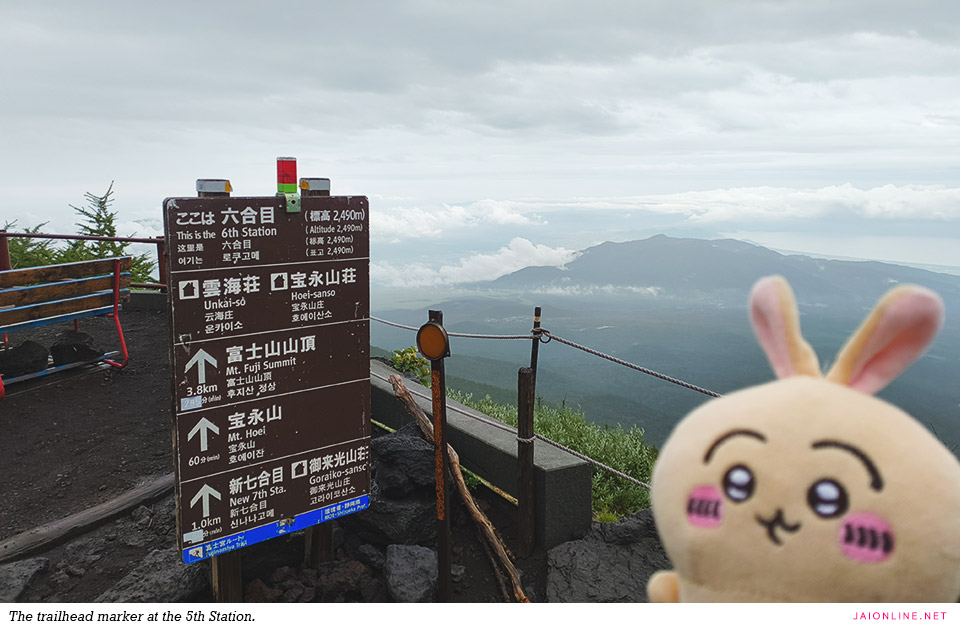
The bus dropped us off at the 5th station and it was already drizzling a bit. No worries as we had our rain gear prepared. Once the entire group was ready, we started off towards the 6th station.
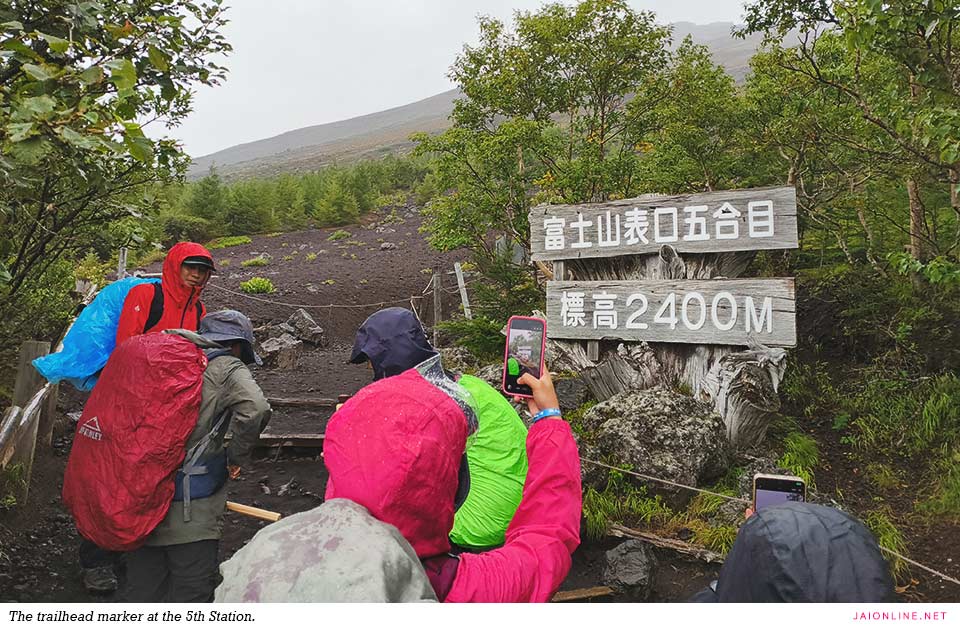
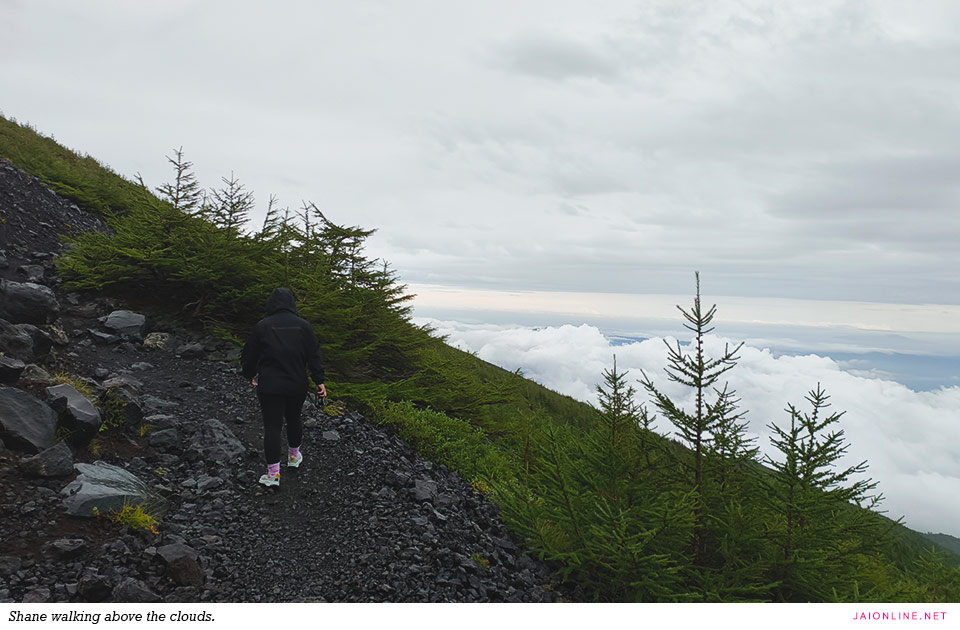
The trail was composed of loose, volcanic soil. This was a positive because, despite being heavily saturated with rainwater, it never turned muddy. Having hiked Philippine mountains, I’m well-acquainted with mud, but I’m glad I didn’t see any for the entire hike.
We crunched our way through pine bushes as the fog built up and obscured the view of the lowlands. In less than an hour, we reached the station where we were to spend the night.
Fujinomiya 6th station, as I would soon find out, is the first hut to accommodate hikers for the night. It’s also the lowest elevation of all the huts so tomorrow, we will be basically bullet-climbing 90℅ of the Fujinomiya trail.
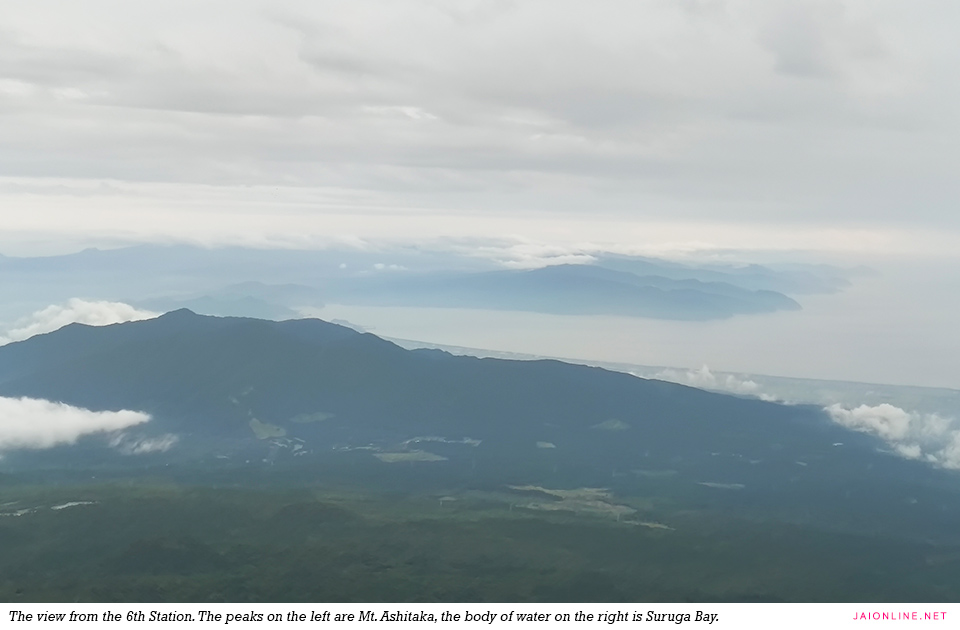
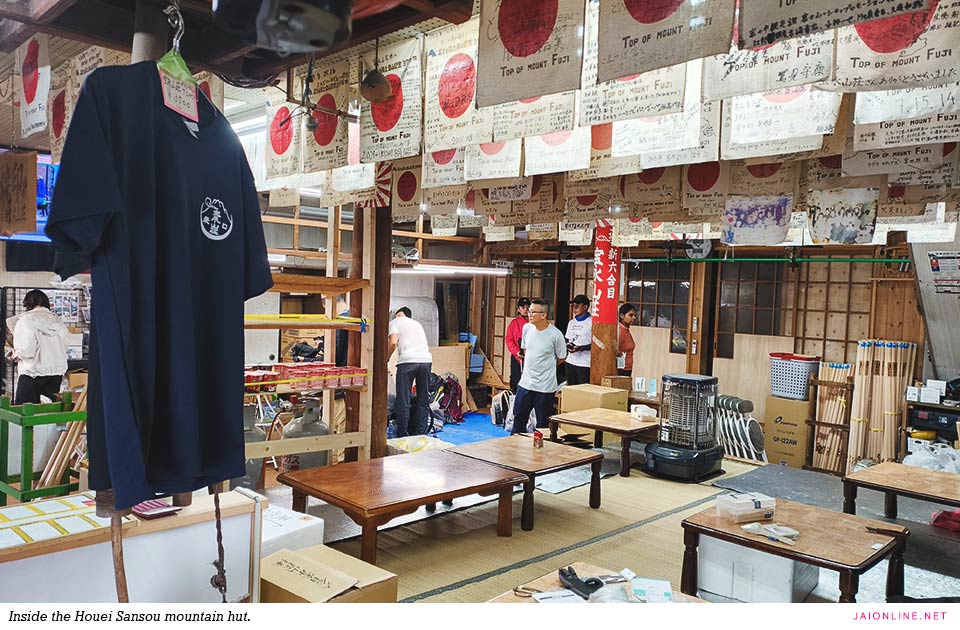
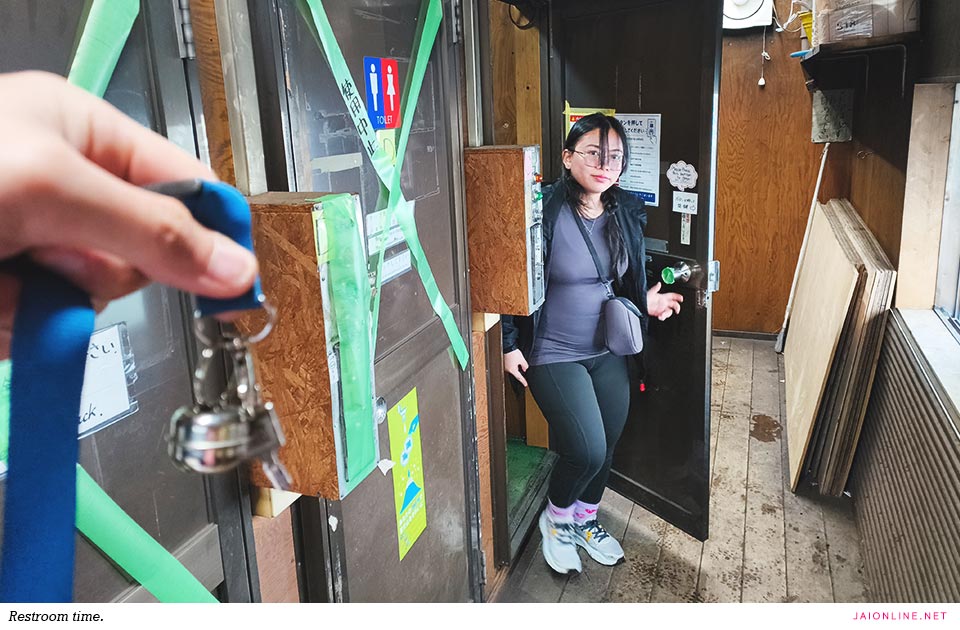
Inside the building, it was warm and cozy. The proprietors were helpful and let us know the house rules. Everything that was wet needed to be put in plastic bags and when inside, we had to use the hut’s own slippers. The bathrooms were in a separate building and cost ¥300 per use, but since we were guests, we had access to a key for free use.
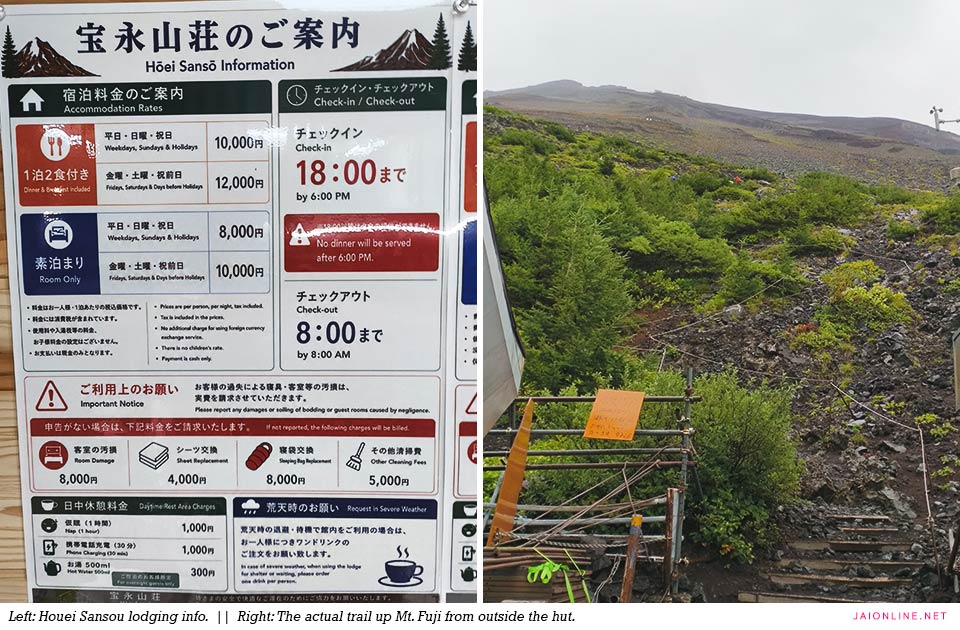
It was still early in the day and we still had a sidetrip to do: Mt. Hoei crater. After packing lightly, we exited the hut and ventured out into the wet and cold afternoon.
The fork seperating the Mt. Fuji and the Mt. Hoei trails was right beside the hut. After taking the right one, it was a rolling terrain of volcanic soil.
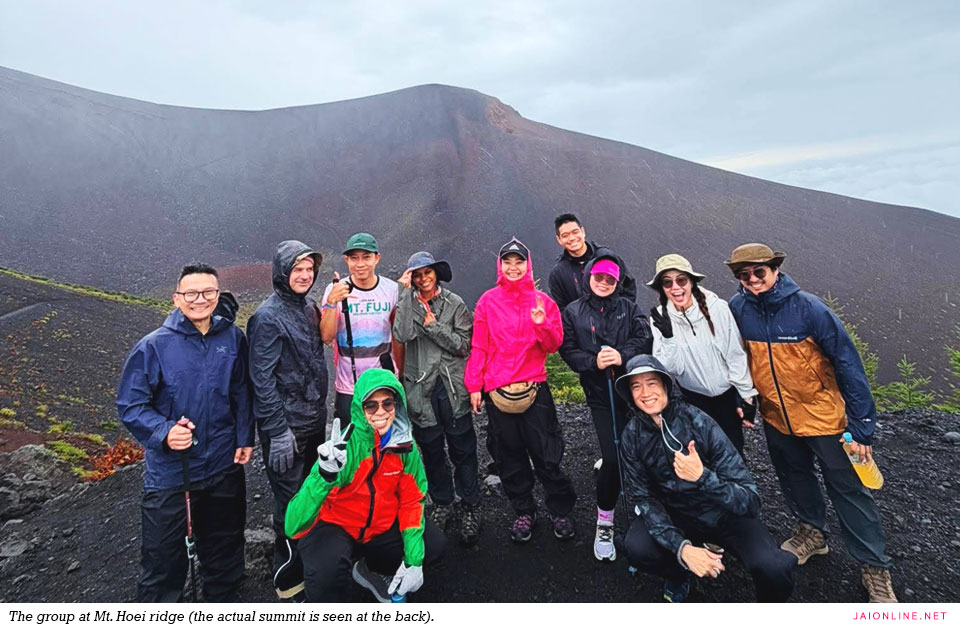
Mt. Hoei was formed during Mt. Fuji’s last eruption. Instead of the main crater, magma vents pushed out volcanic ash and material from the mountain’s side. This altered the shape of the mountain, creating the secondary peak which is now Mt. Hoei.
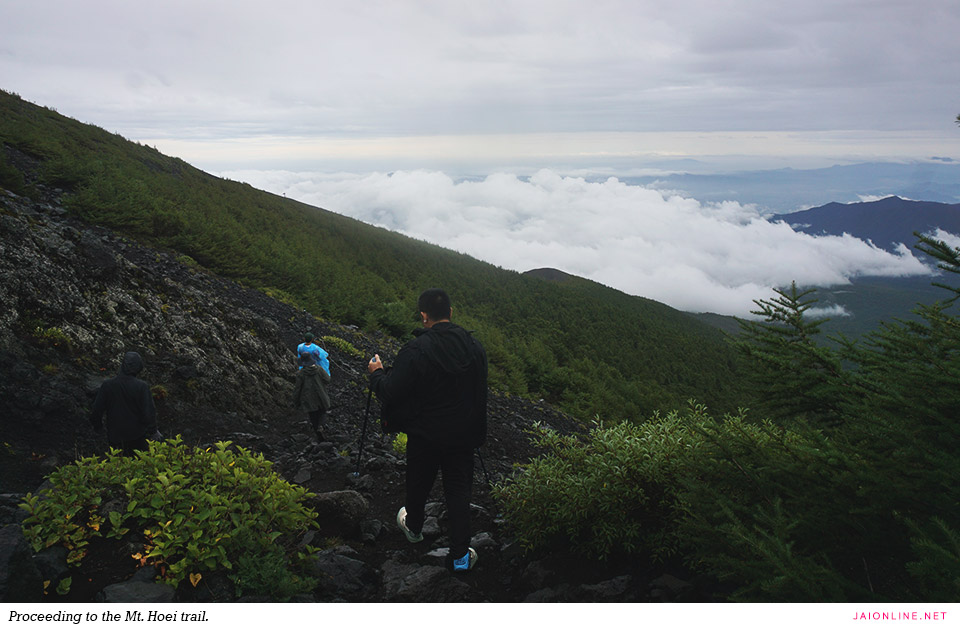
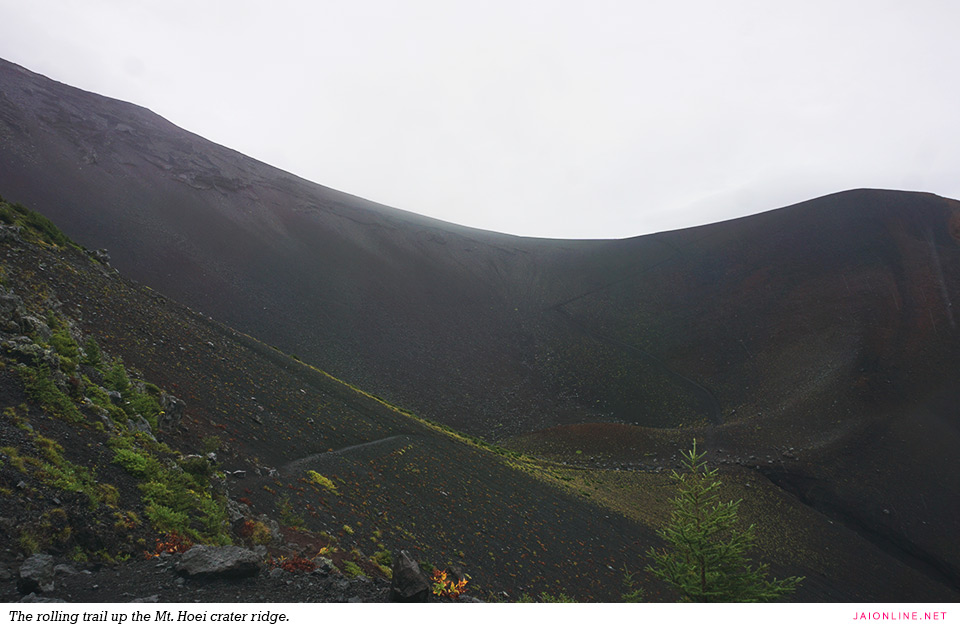
The path to the peak led us through the crater, where there was—oddly enough—a picnic table and some benches. I would have loved to take some photos but it was already drizzling and my poor android phone isn’t water resistant.
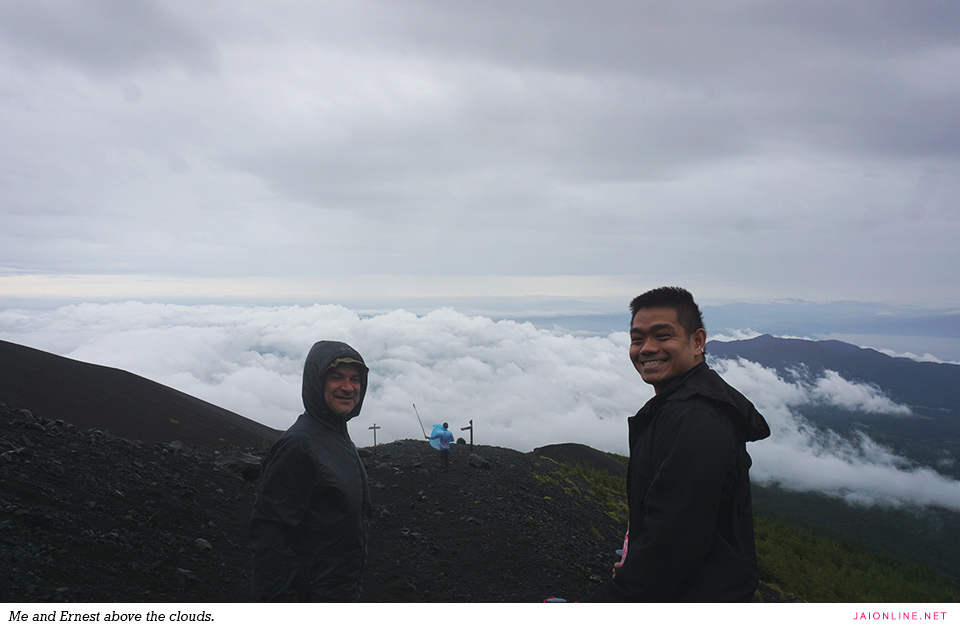
As we continued to hike up the side ridge of the crater, the wind started to hit us. We made it near the top of the ridge before our organizer told us that the wind was too strong to risk reaching the peak. I was already cold, wet, and content with the view, so we started our hike down.
It was fun running downhill as the soft soil cushioned every step. I had gaiters on which helped keep debris out of my shoes. The wind propelled the heavy rain drops straight onto my face but I was feeling good.
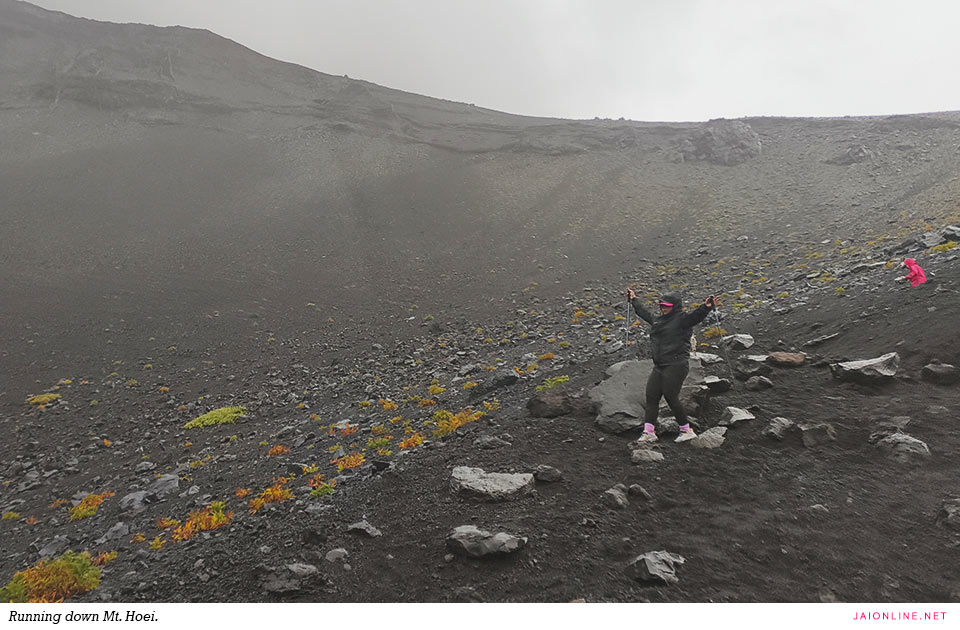
In a few minutes we were back at the 6th station. It was only 5 in the afternoon but we had dinner already as we planned to have the lights off by 6pm. The hut served us a bowl of hot curry rice and a cup of cold barley tea each. To supplement our meal, we ordered some instant noodles for ¥500 (usually only ¥150 in the city).
After dinner, we did some final checking of our gear and changed into our base layers. It was time for me to get some well-needed sleep.
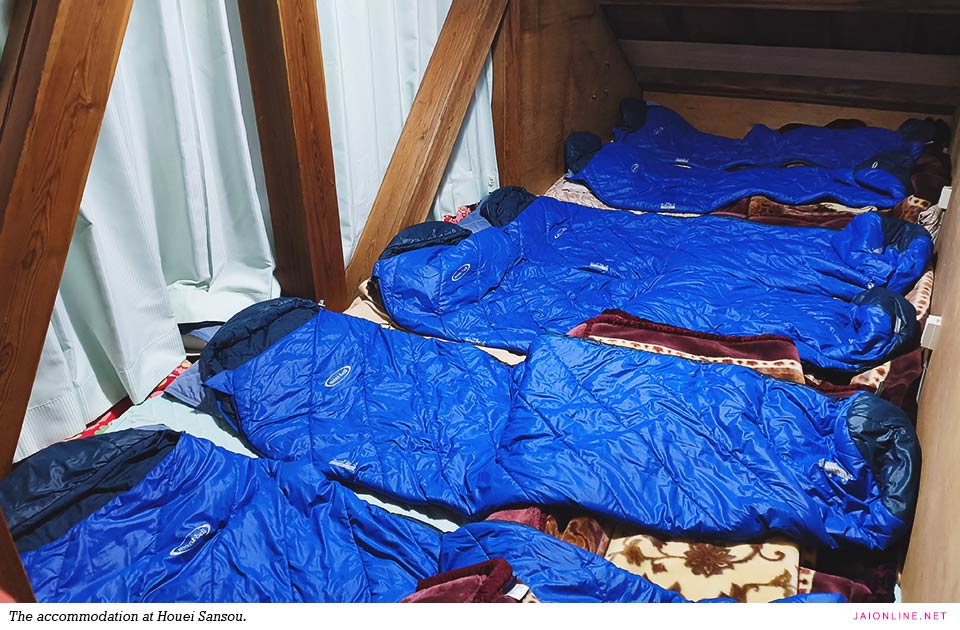
At least, I tried to.
Somehow, the elevation healed my throat because I didn’t cough much during the night. But for some reason, I woke up at around 9pm and no matter how much I tried returning to sleep, I was wide awake. I resigned myself to listening to the patter of the rain on the hut’s roof.
At 11:45pm, alarms sounded and people began to stir. We ate our pre-packed “breakfast” which was a rice meal with various Japanese staples (sausage, chicken karaage, pickled vegetables) in a plastic bento.
Afterwards, we readied our gear and steeled ourselves for the rainy hike, but the organizer decided to postpone our start in order to hopefully wait the rain out. The forecast showed less percentage of precipitation as time went by, so we were hopeful for better weather.
We returned to our sleeping area and this time, I was able to get some sleep until we were woken up again. Our start had been delayed from 12:30 to 3:30am. This time the rain had transitioned to a light drizzle, so we finally headed out and started hiking up.
The light drizzle didn’t last long and soon we were buffeted with strong winds and massive drops of rain. Little by little, my base layers started to get soaked, and a few moments later, cold seeped in. With no other choice, I accepted my situation and kept moving forward, keeping in pace with Shane.
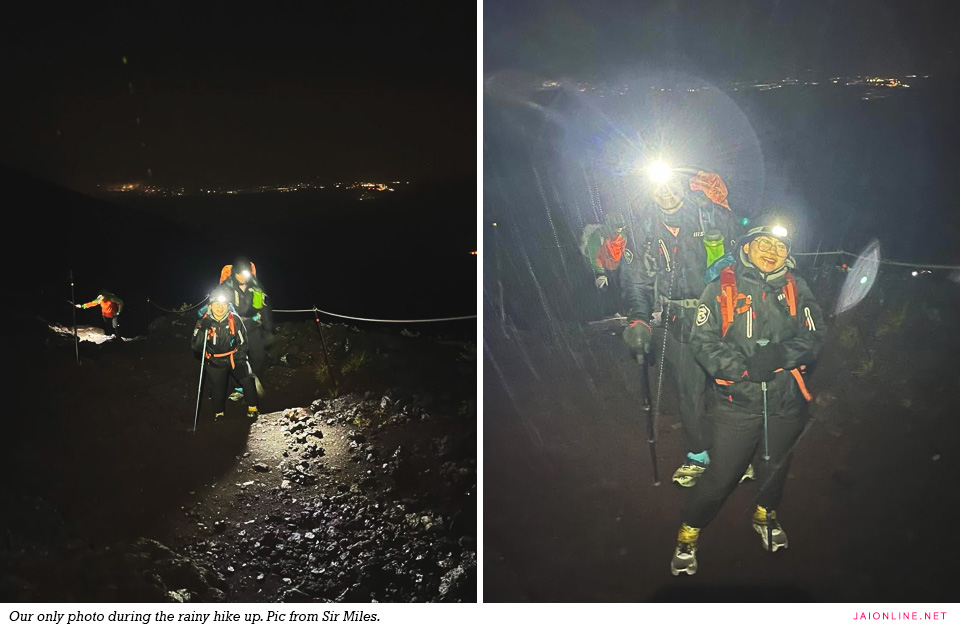
The terrain shifted from volcanic soil to huge volcanic rocks and boulders. Some of the rocks were much higher than the average stair step, requiring a big stretch to climb. We moved in silence, resting every now and then to catch our breath and gaze at the headlamps of the hikers above us.
It was a lot of zig-zagging up switchbacks but we were making progress. We reached the 7th station where we ate some rice balls for a big energy boost.
Eventually, we passed the 3,000masl marker and from there, we proceeded slowly, wary of any signs of altitude sickness. The altitude never got to us, but the cold certainly did. It was freezing despite all the (wet) layers I had on and I could barely move my fingers. By this time, the sun had already risen, though we couldn’t see it because of the fog. The trail was visible without our headlamps, given a light blue hue by the fog’s thickness.
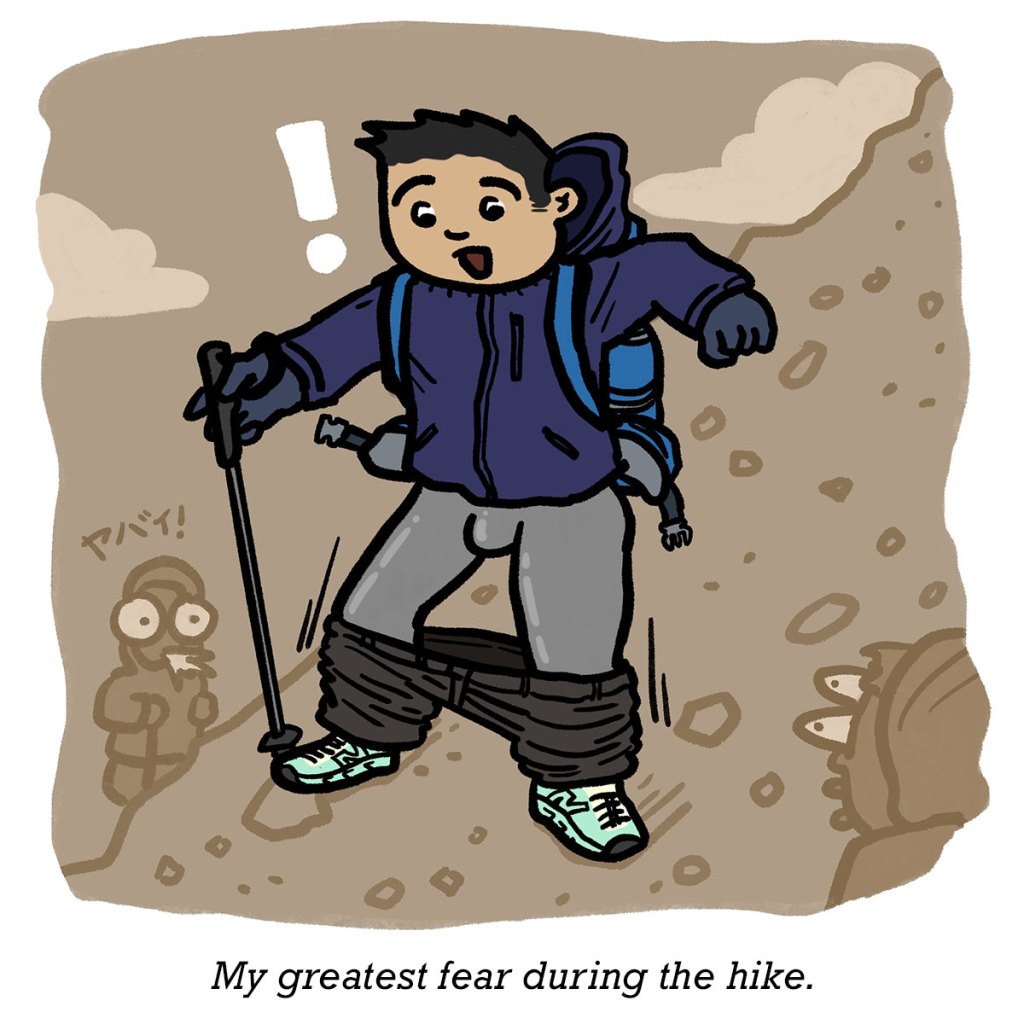
To make matters worse, my hiking pants were heavy with water and slipping down towards my knees! I had to keep pulling them up every few steps or so, just to keep from flashing any hikers below me. My fault for choosing to buy the cheapest and ill-fitting pants for the hike.
It was after passing the 7.5th station and when the 8th station came into view that my worst fear happened. A hiker was on his way down the trail and announced to our organizer—who was leading the group—that the summit had been closed. The rain and wind were too much and they didn’t allow anyone past the 10th station anymore.
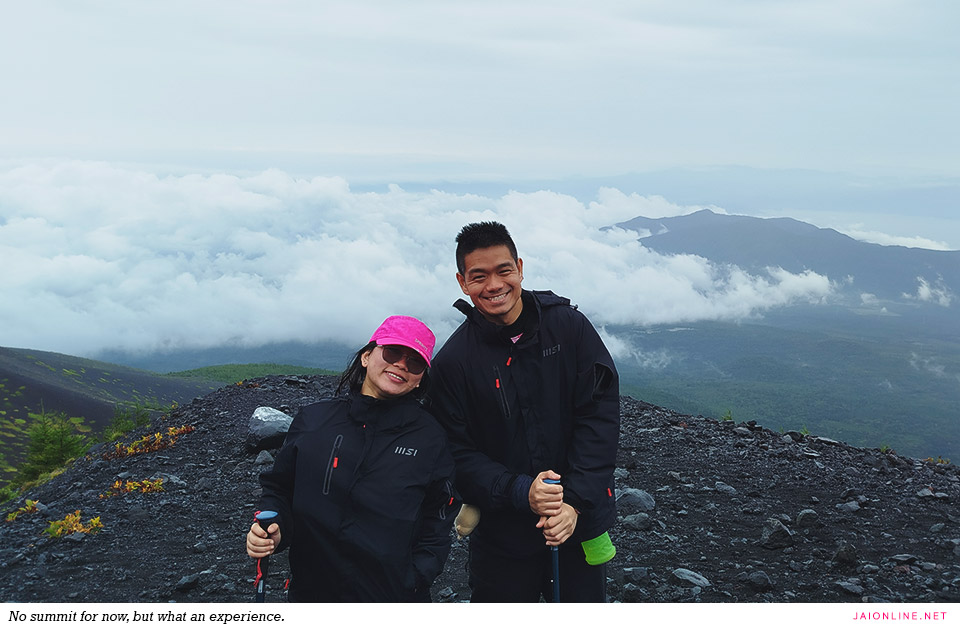
Our organizer relayed the news to us and I was devastated, but I also understood the situation because I, myself, was not having a good time at all. It will be very dangerous to push further, so we decided to rendevous at the 8th station then start our descent.
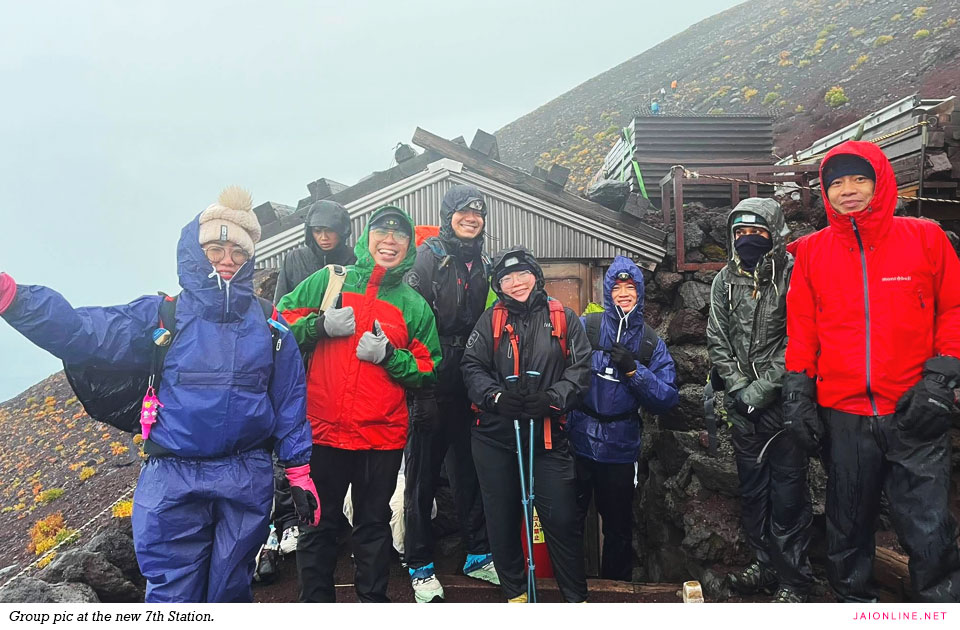
Heartbroken, I continued climbing up to the 8th station hut and there, we took a group photo before before going down.
I found the descent way harder than the climb. The number of hikers and sheer unpredictability of the terrain made going down a slog. My pants started sagging down with every step. The only consolation was the wind and the cold settling down as we descended to a more “normal” altitude.
We waited for all the members of our group at the 6th station, which by now had become a conglomeration of hikers taking a break, both going up the mountain and down. Once complete, we continued the last few minutes down towards the 5th station where our organizer got us tickets for a bus back to Mizugatsuka park.
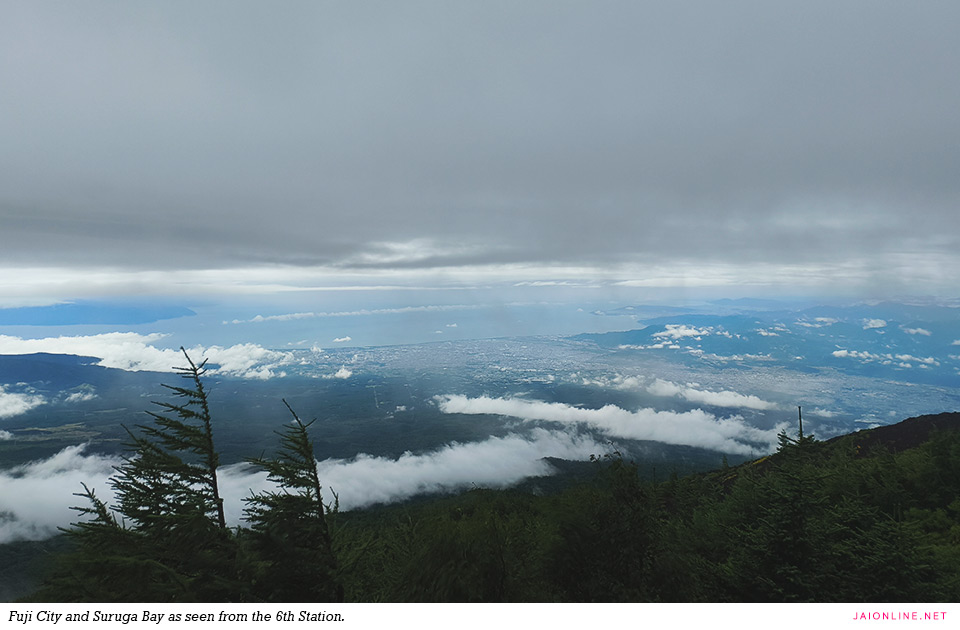
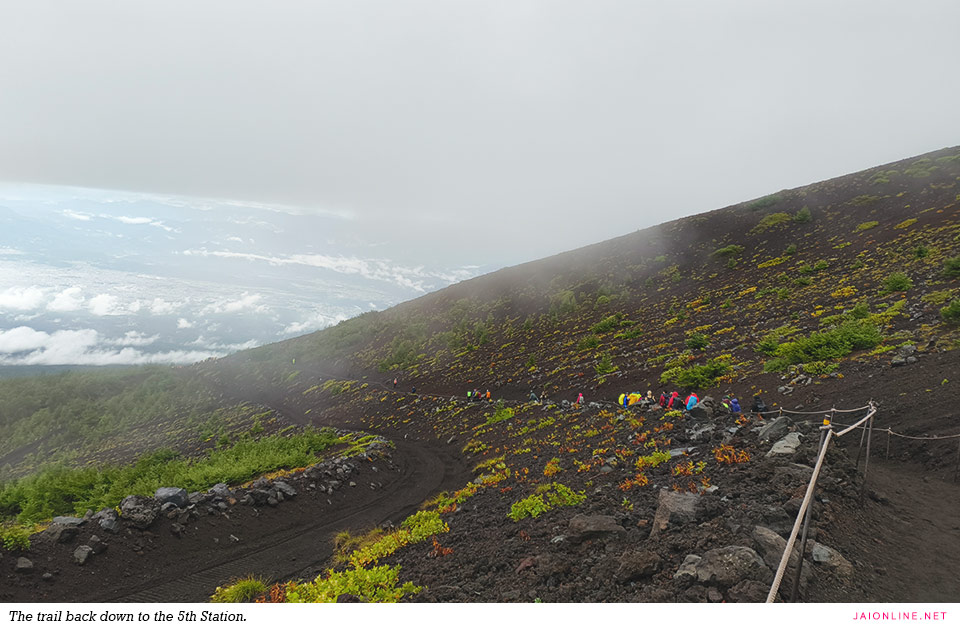
And so ended my first Mt. Fuji climb. I was a bit depressed at not reaching the summit, or completing the planned traverse to Subashiri Trail. But having been an active hiker, I know that these things happen. I just wasn’t prepared to find out that the first mountain I’d fail to complete was Mt. Fuji.
Itinerary
Day 1
- 10:30 ETD Gotemba Station, bus to Mizugatsuka Park
- 11:30 ETA Mizugatsuka Park
- 12:00 ETD Mizugatsuka Park, bus to Fujinomiya 5th Station
- 12:45 ETA Fujinomiya 5th Station
- 13:20 Start Hike
- 13:45 ETA 6th Station (Houei Sansou)
- 14:15 Start sidetrip to Mt. Hoei
- 15:25 Mt. Hoei Crater Viewdeck, return to hut
- 16:30 ETA 6th Station, dinner
- 18:00 Lights out
- 23:45 breakfast and supposed start of hike, but delayed due to rain
Day 2
- 03:30 Actual Start Hike
- 05:30 New 7th Station
- 06:45 ETA 8th Station, start descent
- 09:00 ETA 6th Station
- 09:30 ETA 5th Station
- 10:00 ETD 5th Station, bus to Mizugatsuka Park
- 10:35 ETA Mizugatsuka Park
- 11:30 ETD Mizugatsuka Park, bus to Gotemba Station
- 12:45 ETA Gotemba Station
Organizer: Mountains and Beyond by Ace Dapat
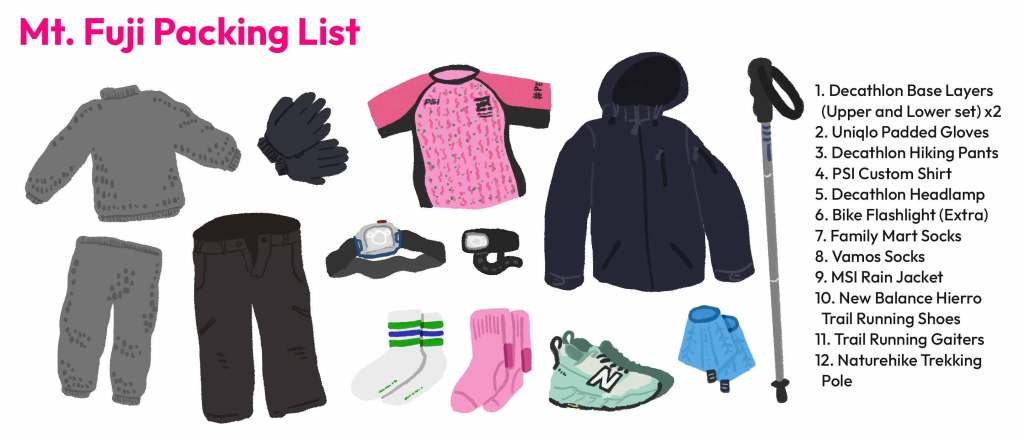
Learnings
- Buy pants that fit properly.
- Do not underestimate the amount of rain and the cold when hiking during the monsoon months (August-September). Make sure your gear is properly water-proofed.
- Bring enough food and water (500ml of water costs ¥500 at the 6th station and only rises in price the higher you go. Food is even more scarce) Your body heats up when digesting food so don’t underestimate how effective filling your stomach helps against the cold.
- Bring a waterproof camera if you want to document as much as possible.
- “Konnichiwa” and “Ganbare” are great things to say when you encounter other hikers.
- Needless to say, train your legs well. The terrain is a mix of volcanic soil and both natural and manmade steps.
- Trekking poles and gaiters help A LOT. Especially on the descent. They are worth bringing.
Going against the forces of nature was not part of the plan and a little voice in my head was whispering the entire time: “Don’t do anything stupid that would make you a news headline on the internet.” With 6 deaths already in this year’s hiking season, I didn’t want to add to the number.
Life doesn’t always go our way and we should always remember that when it comes to tackling a country’s tallest mountain, we are not conquering it, rather, it is only permitting us to climb it.
Our hike group had a bit of downtime waiting for the bus back to Gotemba and we all agreed that what we experienced on that mountain was a memory for life. Getting battered by the wind and rain, almost freezing my hands off, plus a growling stomach was a crazy way to spend a vacation, but these are the things I love doing.
For now, I’m already planning a comeback hike some time next year. This time, I’m aiming for the summer weeks. Late August and September are now crossed off due to the high risk of typhoons. I’ve still got two years before my multiple-entry visa expires so I’ll definitely be back.
I’d like to thank my fellow hikers that made the trip very pleasant and are also just as hungry for the return to Fuji as I am. They also hold credits for some of the photos used as they were brave enough to use their phones in the rain. Arigatou gozaimasu and mata ne!
And of course, grateful to Shane for coming with me on this adventure. We prepared as much as we could but we got more than we bargained for. I know we’ll be back. And I know we have more to climb, too.
Thanks for reading and stay warm!
-jgzn
